Frozen Pipe Season: What Plumbers Should Publish Before the First Hard Freeze
The pages, profile updates and answers a plumbing company should have live before the next hard freeze, when burst pipe searches jump overnight.
By the Plumber SEO Company team / / 5 min read
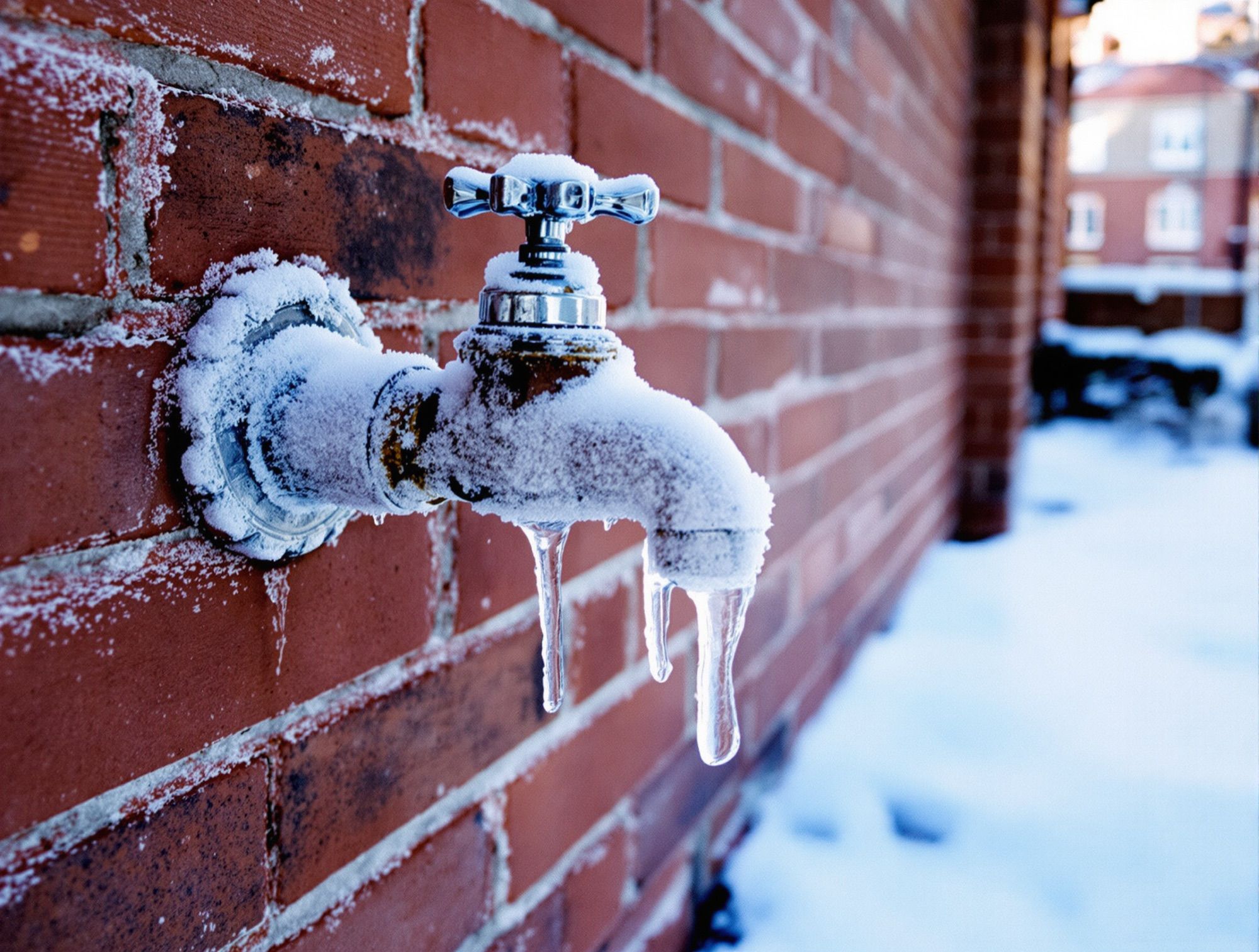
Burst pipe searches climb the night temperatures drop hard and fall away once things thaw. The plumbing companies that catch those calls have a frozen pipe page, a current Google profile and clear after-hours details live before the cold arrives, because a page written the morning of a freeze won't be indexed and ranking in time. If the first freeze already came through your area this winter, another one is usually on the way. This list is for that one.
Why last-minute pages miss the freeze
A cold snap gives you a short burst of heavy searching, often just a few days. A new page can take days or weeks to get crawled, indexed and settled into a position. By the time a page written during the freeze shows up, the pipes have thawed and the homeowner has hired someone.
You can see the pattern for yourself. Open Google Trends, enter "burst pipe" or "frozen pipes," set it to your state and the past five years. The spikes line up with the cold weeks your techs still talk about. That's the window, and your pages need to be live and indexed before it opens.
Pages to have live before the cold
A frozen and burst pipe service page
This is the main one: a page just for frozen and burst pipes, separate from your general repair page. On it:
- What happens on a frozen pipe call (find the frozen section, thaw it, check for splits, repair)
- What happens on a burst pipe call (stop the water, find the break, repair or reroute)
- Whether you work with water damage cleanup companies or leave that to the homeowner
- Your after-hours availability, stated honestly, and how after-hours rates work
- The towns you cover, written out by name
- Photos from real jobs: a split copper line, a cracked fitting, a crawlspace repair
Write it for someone standing in water. Short paragraphs, the call button at the top, the most urgent details first.
A "while you wait for the plumber" page
When a pipe lets go, the first search often isn't "plumber." It's "how to shut off water to house" or "where is my main water shutoff." Homeowners panic, search, then call. If your page answers that first question, you're the company they're already reading when they pick who to call.
Write it from your techs' experience in your area: where main shutoffs tend to be in local homes (basement wall, crawlspace, a curb box, the garage), what the valve usually looks like, and when to stop and call for help instead of handling it themselves. Keep the advice general, and make sure everything on the page fits your license and local rules. This page doesn't have to sell. It builds the trust that turns into a call.
Short posts on the spots that freeze in your area
Every region has its usual suspects, and your techs can name them. Common ones:
- Outdoor spigots left with a hose attached
- Pipes in exterior walls, especially kitchen sinks on an outside wall
- Crawlspace and garage lines
- Unheated additions and bonus rooms over garages
- Vacation homes and empty rentals left without heat
Pick the two or three that drive your winter calls and write a short post on each. "Frozen kitchen sink pipe on an outside wall" is a narrower search than "frozen pipe," and a homeowner with exactly that problem is more likely to call the shop that describes it exactly.
A page for landlords and property managers
Burst pipes in a rental or a vacant unit bring a different caller: the owner, a property manager or a maintenance coordinator. They want to know you can get into a property without the tenant there, that you'll send photos, and how billing works. If you do rental or light commercial work, a short page written for them earns its keep in January.
What homeowners ask first
Build the pages and profile around the questions your dispatcher actually hears. In most shops, these come up every cold snap:
- "Can you come tonight?" Answer it on the page: when you run after-hours, and how to reach you.
- "How do I turn the water off?" That's what the while-you-wait page is for.
- "Is the pipe going to burst?" You can't promise either way. Say that you check the line for damage when you thaw it.
- "Does insurance cover this?" Don't answer for the insurer. Say you document the repair with photos and a written invoice the homeowner can send to their insurance company.
- "How much is this going to cost?" No number needed. Explain how you price (trip charge, after-hours rate, repair based on what you find) and that the dispatcher gives the after-hours rate before a truck rolls.
Put these on the frozen pipe page as a short FAQ. They match how people search, and they cut down the calls from people who only want to know if you're open.
Your Google Business Profile before the freeze
Plenty of burst pipe calls come straight from the Map Pack. Once the forecast shows a cold snap coming:
- Confirm your hours. If you're running 24 hours through the freeze, make sure the profile says so. If you aren't, don't claim it.
- Post an update. Something plain: "Cold week ahead. We're taking frozen and burst pipe calls through the weekend, evenings included." Add a real photo.
- Add the services. If frozen pipe repair or burst pipe repair isn't in your services list, add it with a one-line description.
- Check the phone number and website link. It sounds obvious. Profiles get edited, and a freeze is a bad week to find out the link is broken.
On the website the week of the freeze
A new page won't rank in two days, but the pages you already have can work harder:
- Add a banner on every page: "Taking frozen and burst pipe calls tonight."
- Point the banner at your frozen pipe page.
- Put the frozen pipe page in the main menu for the season.
- Test the call button on a phone, and make sure any booking form actually sends.
Pull the banner when it warms up. Leave the pages up all year. Next winter they'll have age, maybe a few links, and a better shot at ranking when the first front moves in.
Notes for next winter
After each cold snap, write down what came in: frozen calls versus burst calls, which towns, what time of day, and how each caller found you. Those notes tell you which spot-specific posts to write next and whether after-hours coverage was enough. They also give you real photos from real jobs for the pages.
The same notes feed a bigger question: how much of your winter work comes from your own search presence and how much from sources that sell you jobs. Our page on plumbing lead sources lays out those trade-offs side by side.
The next front is already on someone's ten-day forecast. A free SEO checkup will show you what your site and profile are missing before it gets here.